Pour Some Fun: A Designer's Review for Embroidered Projects
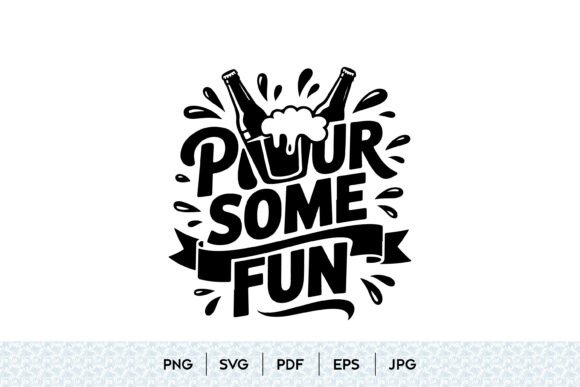
When you're searching for a new design to stitch, it’s not just about the files in the zip folder. It’s about imagining that design stitched onto a real fabric, worn by a real person, or displayed in a real home. That’s the lens I’m using to look at Pour Some Fun with Beer SVG. This isn’t a spec sheet; it’s a practical evaluation of how this design holds up when the digital file meets the needle.
The First Impression: More Than Just a Beer Mug
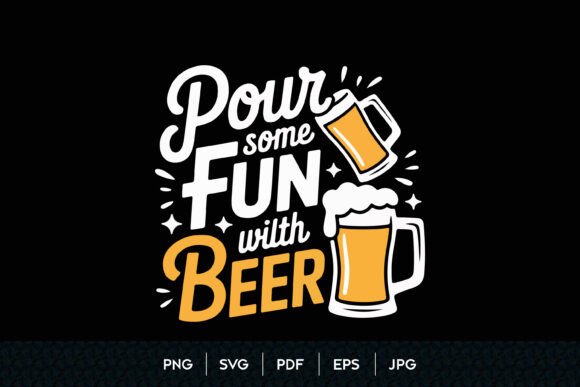
The title tells you what it is, but the visual personality tells you how it feels. This design has a friendly, celebratory mood. It’s not a stark, technical illustration; it’s a graphic with a sense of casual fun. The layout is straightforward—a classic beer mug paired with a relaxed slogan. This simplicity is its strength for embroidery. The detail level isn’t overly intricate, which means it won’t become a muddy mess of stitches on a textured fabric. It feels like it belongs on items meant for enjoyment, relaxation, and lighthearted gifts.
Where This Design Naturally Finds Its Home
I immediately picture this on custom apparel for a brewery event, a pub’s staff apron, or a gift for a craft beer enthusiast. It’s perfect for a personalized tote bag for someone who enjoys a weekend market and a pint. The theme lends itself to embroidery projects like kitchen towels for a home cook, pillow covers for a cozy den, or caps for a casual outing. For small business merchandise, this could be a hit on sweatshirts or patches sold at a local boutique or Etsy shop catering to a niche audience. It’s a design that speaks to a hobby, a passion, or a simple moment of fun.
Performance in Real-Life Embroidery Situations
Let’s walk through a scenario. You’re preparing a custom embroidered sweatshirt as a birthday gift for a friend who loves visiting microbreweries. You hoop your stabilizer and fabric, load the embroidery file, and select your threads. The clean outlines of the mug and text here are a benefit. On a mid-weight sweatshirt fabric, the design should stitch out with good clarity, provided your stitch density is appropriate. I’d be confident using this on a tote bag or a cotton apron—fabrics where the graphic will stand out cleanly.
For baby clothes or nursery decor? Probably not, unless it’s a very specific, humorous gift for a parent. For holiday gifts, think Father’s Day, a wedding gift for a couple who owns a brewery, or a casual Christmas present. In commercial embroidery projects, like a run of caps for a pub, this design offers easy recognition and a professional, finished look when stitched well. It enhances product value by being a tailored, handmade product rather than a generic print.
Where to Use with Extra Care
Every design has its limits, and a practical review must note them. The lettering in Pour Some Fun with Beer SVG is integrated into the design. On very small hoop sizes, those details need scrutiny. Test it first. On stretchy fabrics like thin t-shirts, you’ll need excellent stabilizer to prevent puckering, especially around the mug’s curved outline. Dark fabric backgrounds require thoughtful thread color choice for contrast—a bright golden yellow for the beer, a crisp white for the text? Always check.
Curved surfaces like caps can be tricky with any design; ensure your machine settings are tuned for that curvature. The design isn’t overly dense, which is good, but always inspect small details like the mug’s handle in your test stitch-out. For products needing frequent washing, like kitchen towels, a robust satin stitch and secure running stitch for outlines will ensure longevity.
How This Design Impacts Your Project’s Appeal
Stitching clarity is paramount for customer trust. A clean, sharp embroidery of this fun graphic looks professional and deliberate. It tells your customer or gift recipient that you chose a design with intention. For a craft business or Etsy seller, this contributes to brand consistency if your shop leans towards humorous, lifestyle-themed items. The giftability is high—it’s personalized and thematic. Buyer engagement comes from that immediate, relatable connection: “Oh, that’s perfect for my brother!”
When used in digital product previews or printable mockups for your online listings, the clean vector nature of the included files (like the SVG and EPS) should allow for crisp presentation, helping customers visualize the finished product.
Practical Notes for the Embroidery Designer
Before you commit to a final project, here’s your checklist. Always, always test the design on scrap fabric first. Use a fabric similar to your final product. Check thread color contrast against your final fabric—run a simple black and white mockup in your software to see the balance of shapes. Review the stitch density in your embroidery software preview; adjust if needed for your specific fabric.
- Confirm the hoop size you plan to use is suitable for the design’s scale.
- Inspect the small details, like the text edges, in your test stitch-out.
- Compare how it looks conceptually on both light and dark backgrounds.
- Use the proper stabilizer for your fabric type; don’t skip this step.
- Check whether the design’s licensing permits use for both personal and commercial projects. The product description lists the file formats, but licensing terms are a separate, crucial detail to confirm before selling finished items or using it in commercial embroidery.
Remember, the files you receive—PNG, JPG, EPS, SVG, PDF—are your design assets. The SVG and EPS are particularly valuable for scaling and further digital manipulation if needed before creating your machine embroidery design file.
Final Thoughts: A Design Ready for Fun Projects
Pour Some Fun with Beer SVG is a graphic that translates well into the tactile world of embroidery. It brings a lighthearted, specific mood to projects, making it a great choice for personalized gifts and niche merchandise. Its straightforward layout suggests it will stitch out reliably, but as with any design, your preparation and testing are what turn a good digital file into an excellent embroidered patch, sweatshirt, or tote. For designers, crafters, and makers looking to add a touch of casual celebration to their work, this design offers a solid, fun foundation.