Evaluating a "Best Grandma Ever" Design for Real Embroidery Projects
The First Impression: Elegance Over Cuteness
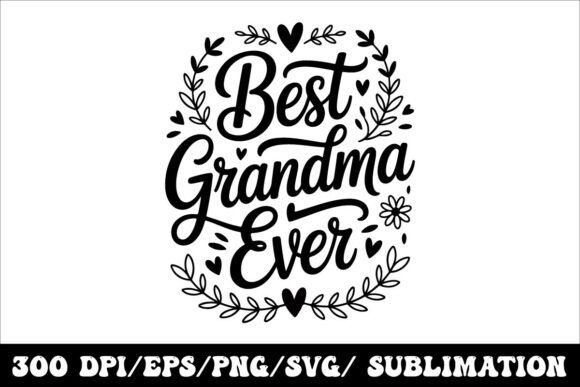
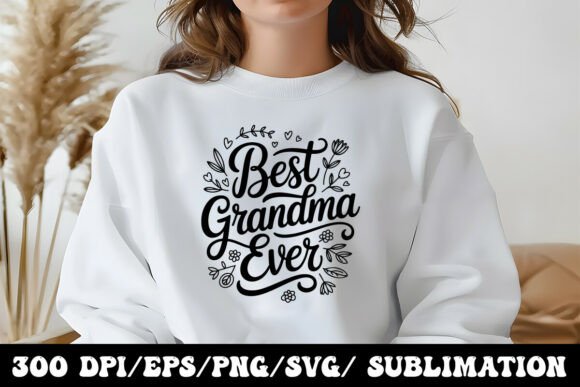
When I first opened the Mother’s Day Grandma Gift Design, I was pleasantly surprised. The design moves away from the typical, overly whimsical grandma motifs and leans into a more refined, heartfelt aesthetic. The elegant typography for "Best Grandma Ever" is the clear focal point, supported by soft floral accents and delicate heart details. This isn’t a loud, cartoonish declaration; it’s a statement of appreciation with a gentle, loving mood. For an embroidery designer, this suggests it belongs on projects meant to feel special and lasting—a gift, not just a novelty item.
Where This Design Finds Its Perfect Home
From a practical project standpoint, this design naturally calls for a canvas that can carry its sentiment. I immediately pictured it on a high-quality cotton tote bag or a cozy, textured sweatshirt. These items provide the stable, appreciable surface area the design deserves. In my own work, I’ve found that clients seeking a personalized gift for a grandmother often gravitate towards these more substantial, usable products. It would also translate beautifully onto a pillow cover for a nursery or a family living room, making the sentiment a part of daily life.
The description mentions it's perfect for t-shirts, mugs, cards, and tote bags. For embroidery, the t-shirt application requires careful consideration due to fabric stretch, but it's a classic choice. A baby’s romper or a child’s tee with this design becomes a cherished keepsake. As a boutique product or an Etsy listing, an embroidered tea towel or apron with this design elevates a simple kitchen item into a thoughtful gift. The key is pairing the design with a product that matches its elevated, affectionate tone.
Navigating the Stitching Terrain
Embroidery is a translation from digital graphic to physical stitches, and that’s where the real review happens. The elegant typography and fine details in this Mother’s Day Grandma Gift Design mean you must be mindful of scale. On a small hoop size, those delicate floral accents and heart details could lose clarity if the stitch density is too high or the lettering too tiny. This is not a design I would confidently run on a cap’s curved surface without extensive testing first—the intricate elements might distort.
For dark fabrics, the contrast is crucial. You’d need a thoughtful thread color plan—perhaps a soft cream or a warm gold for the lettering to maintain its elegance against a navy or black background. On textured fabrics like a sweater, a good stabilizer is non-negotiable to keep those clean lines. The areas with fill stitch, likely in the floral accents, will need to be checked for density to avoid a stiff, bulky feel on lightweight garments like t-shirts.
The Impact on Your Project and Your Customer
Using a design like this isn't just about the stitches; it’s about the final product’s story. When stitched well, this design elevates the visual appeal of a handmade product significantly. It feels professional and deliberate, which builds customer trust. For a crafter or small business owner, this consistency in quality presentation strengthens your brand. As a gift, its inherent “giftability” is high—it’s clearly made for that purpose, which boosts buyer engagement in your shop listings.
I imagine a customer’s reaction to an embroidered tote bag with this design: it’s recognition of a relationship, not just a phrase. It feels personal without requiring specific customization, which is a valuable asset for a maker. It speaks to the heart of the holiday or occasion without being kitschy, making it a versatile embroidery file for commercial projects beyond just Mother’s Day—think birthday gifts or thank-you presents from grandchildren.
A Designer’s Practical Checklist Before Hooping
Before committing this design to a client’s project or your own craft fair merchandise, run through these real-world checks. Always test the embroidery file on a scrap of your intended fabric first. This reveals how the small details, like the heart outlines, actually stitch out. Compare how it looks on both light and dark fabric backgrounds in your software’s mockup view to plan your thread colors.
Review the stitch density in the preview; dense satin stitch areas on lettering can be challenging on stretchy fabric. Confirm the hoop size you’ll need—the layout likely requires a certain width to keep everything balanced and legible. And this is critical: check the licensing terms for this digital embroidery file. Ensure it’s cleared for use in both personal and commercial projects if you’re selling the finished tote bags, pillow covers, or baby items. Never assume.
Where to Exercise Caution
This design’s strength is its detail, which is also its point of caution. On thin fabrics, the combined elements might create too much stitch buildup. Layered garments with seams (like a jacket pocket) could interfere with the clean layout. The decorative accents require a steady machine and good tension settings to come out crisp. For products destined for frequent washing, like a kitchen towel, consider simplifying the thread color palette or ensuring all elements are securely stitched to withstand wear.
It’s a fantastic graphic for a printable mockup to sell digital products, but for physical embroidery, remember it’s a composition. Placing it on a very small item, like a keychain patch, could compress the elements and lose the elegant spacing. It’s best suited for projects where its personality can breathe.
Final Thoughts: A Design Built for Meaningful Making
The Mother’s Day Grandma Gift Design, from a designer’s point of view, is a thoughtfully composed asset. It provides a foundation for creating embroidery projects that carry emotional weight and perceived value. It avoids generic hype and instead offers a genuine aesthetic for celebrating a grandmother. For the embroidery designer, small business owner, or hobbyist looking to create a product that feels both professional and deeply personal, this design passes the initial review. Its success will hinge, as always, on your skilled translation of the graphic into stitches and your wise choice of the fabric it calls home. Pair it with the right project, stitch it with care, and it will become a standout piece in your handmade collection or commercial embroidery lineup.