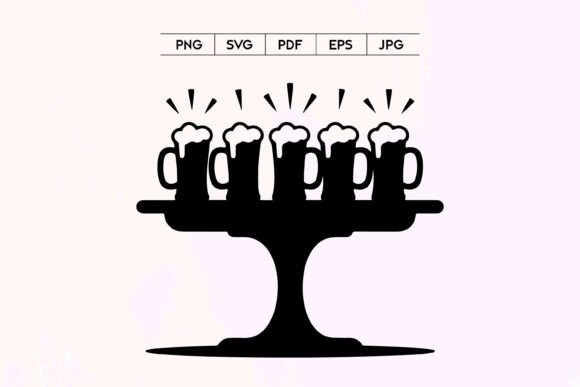
Beer Mug Party Tree: A Versatile Graphic for Celebratory Designs
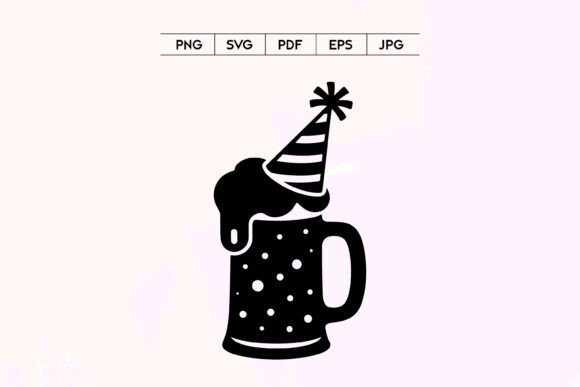
When a new design asset lands in your toolkit, the first question is always about fit. Does this piece have the right mood, the right style, the right flexibility for the kind of work my clients need? Opening the Beer Mug Party Tree files, my immediate impression is one of cheerful, layered celebration. It’s not a solitary mug; it’s a tree of them, which suggests abundance, a gathering, a shared event. The style leans toward a playful, illustrative feel that’s clean enough for modern use but retains a handcrafted warmth.
The Mood and Style It Brings to Client Projects
This graphic asset creates an immediate vibe of casual festivity. It’s perfect for clients who want to communicate fun without leaning into cliché cartoonishness. The “tree” structure gives it a unique, almost decorative motif that works beautifully for brands centered around community, local events, or handmade products. I instantly picture it for a small brewery launching a seasonal lager, a neighborhood pub’s anniversary event, a craft seller creating party invitations, or an Etsy shop offering personalized wedding or birthday decor. It fits projects that need a visual anchor that says “gathering” and “celebration” in a slightly more artistic, less literal way.
Where This Illustration Finds Its Strengths
In real-world design assets, versatility is key. The multiple file formats—SVG, PNG, EPS, JPG, PDF—mean I can deploy this across different mediums.
- Large Layout Areas & Hero Graphics: The tree composition has enough detail and positive energy to serve as a central visual in a poster, event banner, or website header.
- Product Labels & Packaging Design: For a boutique beverage or a party-themed product line, this could be a fantastic decorative accent on a label or box, especially when paired with a clean, modern typeface.
- Social Media Graphics & Digital Ads: As a PNG design with transparency, it layers easily over photos or color backgrounds for Instagram posts, Pinterest pins, or Facebook ads promoting a sale or event.
- Printable Designs & Merchandise: Its clear outlines make it ideal for Cricut projects, sticker design, or t-shirt design. The SVG file allows for easy color adjustments for sublimation design or to match specific brand colors.
- Supporting Brand Elements: While likely not a primary logo, it could be a wonderful secondary mark for a bar, brewery, or event planner, used on flyers, invitations, or merchandise to build brand identity consistency.
Navigating Potential Limitations in Professional Use
Every asset has its sweet spot, and a thoughtful designer knows where to apply caution. The detailed, layered nature of the Beer Mug Party Tree means it should be used carefully in certain contexts.
- Small Sizes: When scaled down significantly for a small web icon or a detail on a crowded label, the individual mug details and the tree structure might lose clarity and become a muddy shape.
- Minimalist or Corporate Branding: For a client requiring a very sleek, professional corporate look, this asset’s playful illustrative style would likely feel out of place. It’s inherently casual.
- Complex Backgrounds: Placing it on a busy, textured background without careful contrast checking could harm visual hierarchy and make the graphic disappear.
- Low-Contrast Designs: Using it in a monochromatic or low-contrast palette might diminish its celebratory energy and impact.
Testing the Asset in Real Design Scenarios
Before committing this to a client’s commercial design, I run a few practical checks. First, I test it in black and white to ensure the form holds up without color information—crucial for any print contingency. I place it on both light and dark backgrounds in a product mockup to check contrast and legibility. Previewing it at various sizes confirms where the detail breaks down. For printable design projects, a test print at scale is essential.
The availability of vector formats (SVG, EPS) is a major plus. It means I can edit colors, separate elements if needed, and ensure crisp output at any size for print-on-demand products like mugs or tote bags—ironically fitting. The PNG’s transparency should be inspected for clean edges when overlaying.
Harmonizing Typography and Building Trust
The success of a graphic design asset often hinges on its partnership with typography. I experiment pairing the Beer Mug Party Tree with different font styles. A bold, friendly sans-serif font reinforces a modern, approachable mood for marketing visuals. A playful script font can enhance the festive feeling for invitations or social media graphics. Even a sturdy serif can create an interesting, more “crafted” contrast for a brewery’s editorial design or blog visuals. The key is ensuring the graphic doesn’t overpower the text or vice versa; they need to share the stage to support audience engagement.
Using an asset like this correctly builds visual trust. For a small business branding a local event or a handmade business selling party supplies, a polished, cohesive look where illustration and type work together signals professionalism. It elevates a simple flyer or Etsy product listing from amateur to purposefully designed.
A Final Consideration for Commercial Use
The most critical step, always, is confirming the commercial license. Assuming the license permits use for client work, this asset becomes a valuable, time-saving component. It allows me to quickly establish a celebratory visual theme for a client’s campaign, from packaging design details to a suite of social media graphics. It helps the final result feel unified and polished, which is exactly what clients hiring a professional designer expect.
In summary, the Beer Mug Party Tree is a specialized but versatile illustration. It won’t suit every project, but for the right client—one centered around community, celebration, beverage, or casual festivity—it provides a unique, reusable graphic that can add layered meaning and decorative warmth across print, digital, and merchandise applications. It’s a reminder that good design assets are not just pictures; they are tools for building mood, consistency, and recognition in a crowded creative marketplace.